Which type is right for you?

Stainless steel, also called stainless steel, AISI or Inox, is a widely used material known for its durability and corrosion resistance. There are several types of stainless steel, but the two best-known stainless steel grades are RVS 304 and RVS 316. Although at first glance they appear similar, they have some important differences. This article will highlight both types of stainless steel and answer frequently asked questions.
SS 304 is one of the most widely used and cheapest types of stainless steel. It contains 18% chromium and 8% nickel and has a low carbon content. SS 304 is popular because of its good corrosion resistance and excellent weldability. The material is often used in the food industry, architecture, in kitchens and for medical equipment.
Stainless steel 316 is another common type of stainless steel. It also contains 18% chromium, but has a higher nickel content than stainless steel 304, at 10-14%. It also contains 2-3% molybdenum, making it more resistant to corrosion and rusting in aggressive environments, such as seawater and chemical industries. The material is often used in shipbuilding, medical equipment and offshore applications.
There are some important differences between AISI 304 and AISI 316:
The nickel content: AISI 316 has a higher nickel content than AISI 304, which provides better corrosion resistance in aggressive environments.
The molybdenum content: stainless steel 316 contains 2-3% molybdenum, which makes the material more resistant to corrosion in seawater and chemical industries.
The price: stainless steel 316 is more expensive than stainless steel 304 because of its higher nickel and molybdenum content.

Stainless steel 316 is often chosen for its superior corrosion resistance and rusting in aggressive environments. The material is well suited for applications in shipbuilding, offshore and chemical industries. RVS 316 can also be chosen when a higher degree of aesthetics is required.
RVS 316 offers some advantages over RVS 304, including:
Higher corrosion resistance: stainless steel 316 contains more molybdenum than stainless steel 304, making it more resistant to corrosion and oxidation in aggressive environments, such as seawater and chemical environments.
Higher heat resistance: stainless steel 316 has a higher melting temperature than stainless steel 304, making it more resistant to high temperatures and thermal shock.
Medical applications: RVS 316L (a variant of RVS 316) is often used in medical applications because of its high corrosion resistance and biocompatibility.
Food industry: stainless steel 316 is also widely used in the food industry because of its high corrosion resistance and ability to come in contact with food.
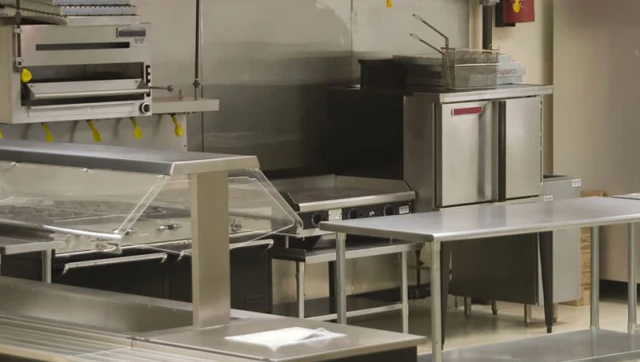
SS 304 is a popular material because of the many benefits it offers, including:
Corrosion resistance: stainless steel 304 resists corrosion and oxidation under normal atmospheric conditions. It can also be used in environments with mild chemicals, acids and salts.
Strength: SS 304 has high tensile strength and can withstand high pressure, making it suitable for applications where strength is required.
Aesthetics: stainless steel 304 has a shiny surface that is easy to maintain and clean. It is often used in aesthetic applications, such as kitchen appliances, jewelry and architectural cladding.
Weldability: stainless steel 304 is easy to weld and can be welded without cracking or fracturing.
RVS 304 is generally cheaper than RVS 316. This is because stainless steel 304 contains less molybdenum than stainless steel 316, which is a more expensive element. However, the price of stainless steel depends on several factors, including the quantity purchased, the form in which it is purchased and the supply and demand on the market. It is therefore important to compare the prices of both materials before making a choice.
This article compares the two most common types of stainless steel, stainless 304 and stainless 316. Although both types are similar, there are some important differences, including nickel and molybdenum content and price. AISI 316 offers higher corrosion resistance and higher heat resistance than AISI 304, making it more suitable for applications in aggressive environments, such as shipbuilding, offshore and chemical industries. However, AISI 304 offers advantages such as aesthetics and easy weldability, which can make it a good choice for applications such as kitchens, architecture and medical equipment. Ultimately, the choice between RVS 304 and RVS 316 depends on the specific application and the environment in which the material will be used.
Do you have any questions or are you interested in our services and products? Please feel free to contact us. This also applies to requesting a quote for the grinding and polishing of your materials. We will gladly prepare one for you without any obligation. Would you like to contact Van Geenen? This can be done through our contact form, by sending an e-mail to info@van-geenen.com or by calling us at +31 (0) 548 - 54 37 93.
